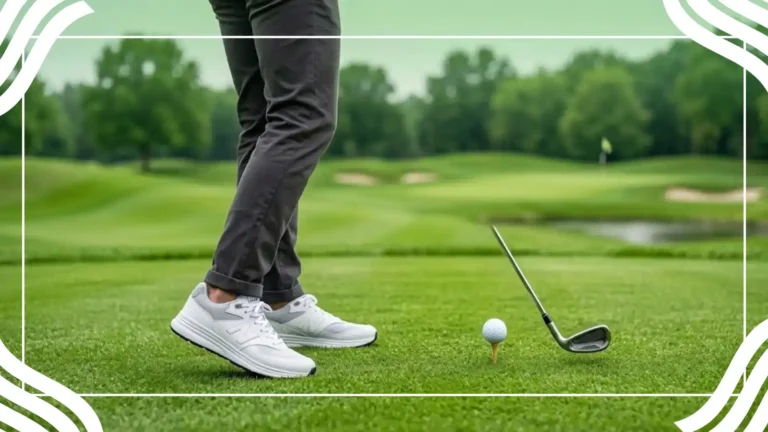
Wearing the wrong shoe size can be one of the most significant reasons why your feet experience discomfort and strain. This kind of neglect can also lead to long-term issues related to your feet, and this is why it is essential to get the right shoe size that fits your feet perfectly.
When on a golf course, whether you intend to walk 18 holes or every week or you like to play once a month, the wrong shoes will be a constant source of discomfort for you. The wrong shoe sizes can take a serious toll on your physical comfort and how well you play golf. The question that most people ask is if golf shoes have any impact on game performance. The answer is yes. Your shoes have a significant impact on how you swing your club and how much power goes into every shot.
If you are thinking about how a golf shoe should fit your feet, this guide will take you through a detailed process to find the correct size of your golf shoes. So, let’s dive right into it!
☆
Importance Of The Correct Shoe Size
People often overlook the importance of the right shoe size, especially if the size doesn’t feel too uncomfortable on the first try. The right or wrong size of your golf shoe directly impacts your comfort and performance on the course. If the shoes are too big, you are not just risking your safety, but you are also more likely to generate inconsistent swings due to the lack of proper traction. Similarly, a size too small and you will constantly be in discomfort with too much strain on your feet to play properly. The efficiency and precision of your swings are impacted by the fitting of your golf shoes, so it is wise to choose them correctly.
Moreover, the size of the shoe also impacts its longevity, and the right size will always last longer than wrong sizes. Shoes that are too big will experience cracks because of their materials bunching in spaces that don’t fit your feet perfectly. So, getting the right size of the shoes is not just good for your feet, comfort, and performance, but it also makes your investment last longer and offer more value for money.
☆
Things That Make Your Golf Shoes Uncomfortable
Here are some factors that you should look out for. If you notice any of these things in a shoe that you are trying out, it means that it’s not the right fit for your feet.
-
Improper Fit
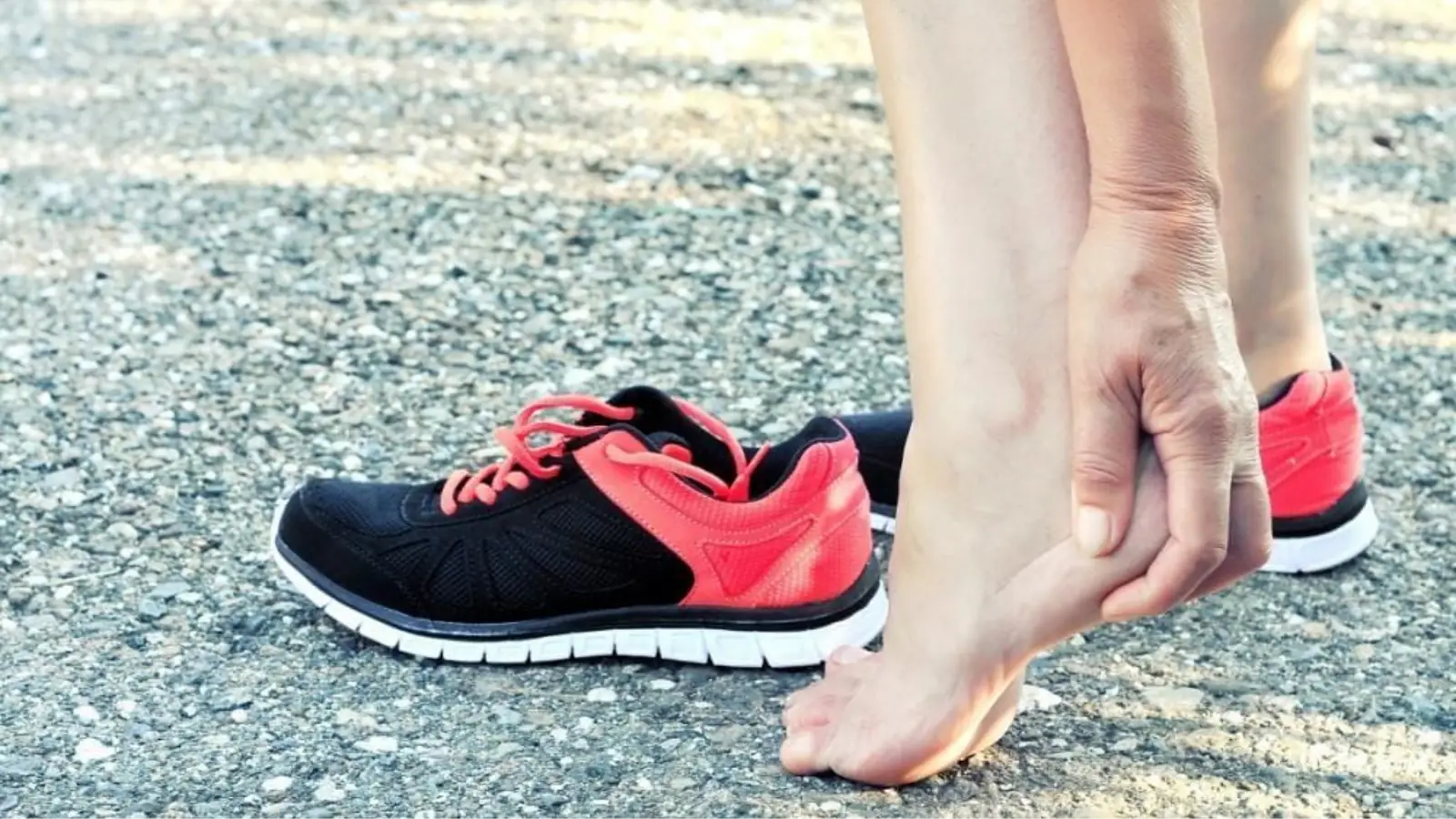
If you put on a shoe and it feels too tight, loose, or even too short, it means that the shoe isn’t right for you. In addition to constant discomfort, such a poor fit can also lead to foot conditions like bunions and hammertoes. Moreover, even if your correct size starts feeling too tight or loose for your feet over time, you should change it immediately to avoid any chronic pain and damage to the natural posture of your feet.
-
No Support
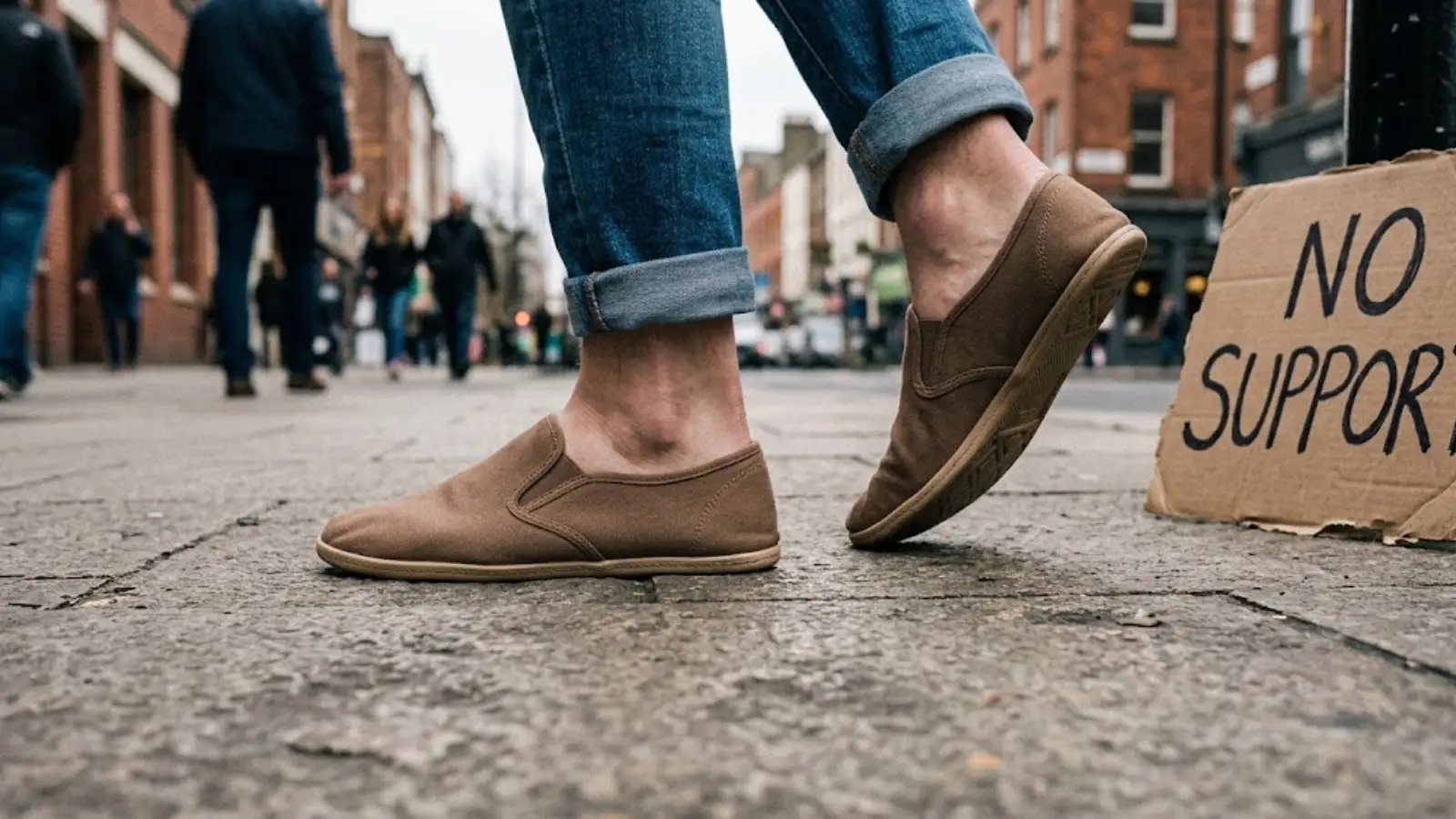
Whether it’s your arch or heel, if the shoe doesn’t offer any support to certain areas, it’s useless. The right size of your shoes will be able to distribute pressure evenly, so one spot doesn’t get all the strain and your feet remain comfortable throughout the day. Without proper support for your feet, they are prone to developing conditions like plantar fasciitis. Additionally, the lack of proper support can also cause your feet to roll inwards or outwards, leading to conditions like overpronation and supination, respectively. Such foot conditions also affect other parts of your body and feet, including ankles, knees, and lower back.
-
Minimal Cushioning

Insufficient insole cushioning is one of the major reasons why your feet may feel tired or uncomfortable even when walking. Without proper cushioning in your shoes, your heels, forefeet, and even your lower back will experience extensive strain that can cause serious damage to your body. Even if you buy shoes with good cushioning, they can lose the padding over time, which means that you should replace your shoes immediately. Shoes that offer proper cushioning with good shock absorption are the best way to keep your feet comfortable and free of any strain.
-
Cheap Materials
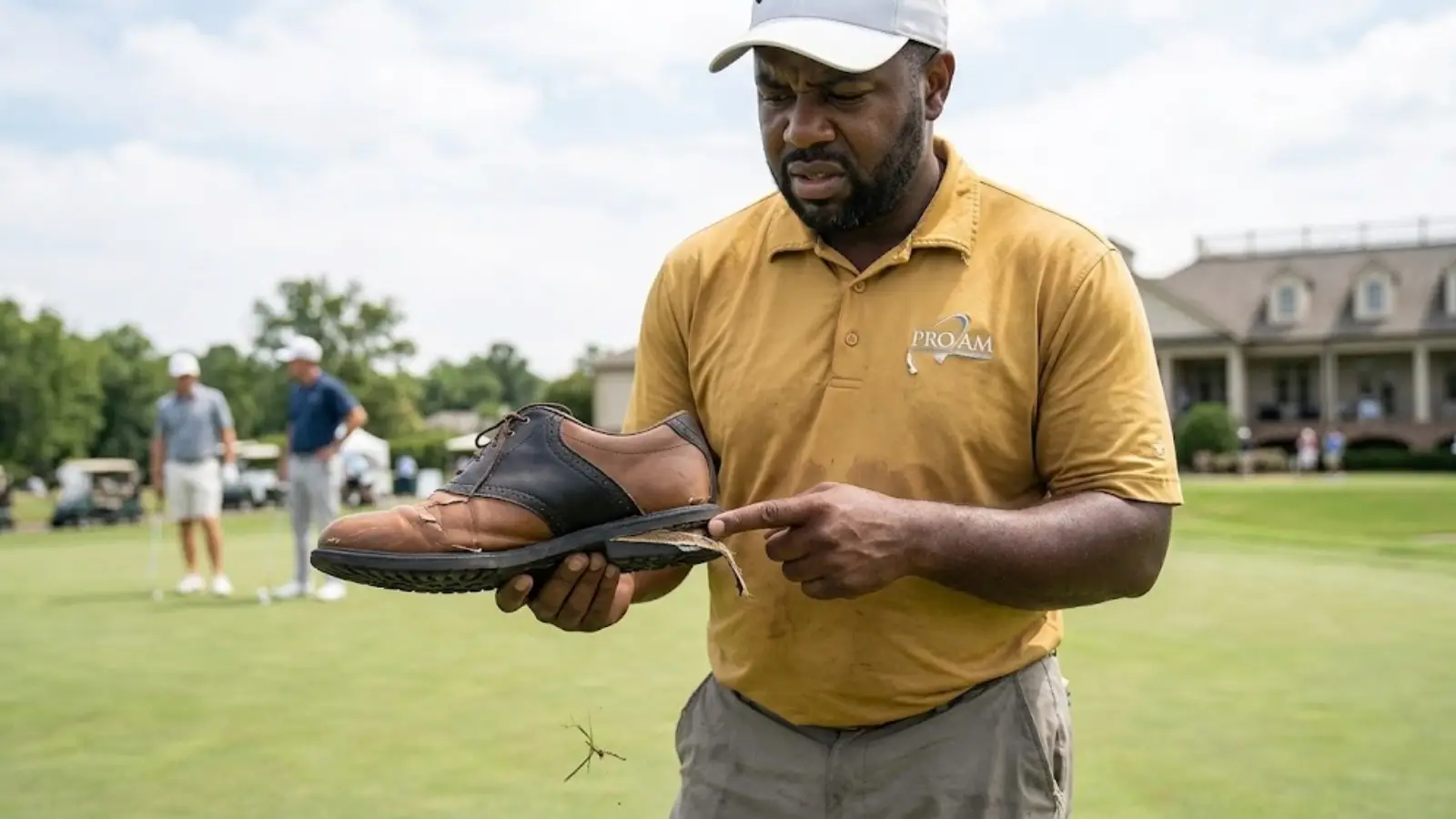
The materials of your shoes have a major impact on how the shoes respond to your feet’s structure. Shoes that lack essential flexibility and feel too stiff won’t just cause discomfort, but they will also hinder proper movement of your feet. You are more prone to experiencing blisters and general discomfort on your feet, especially around the toes.
-
Foot Conditions
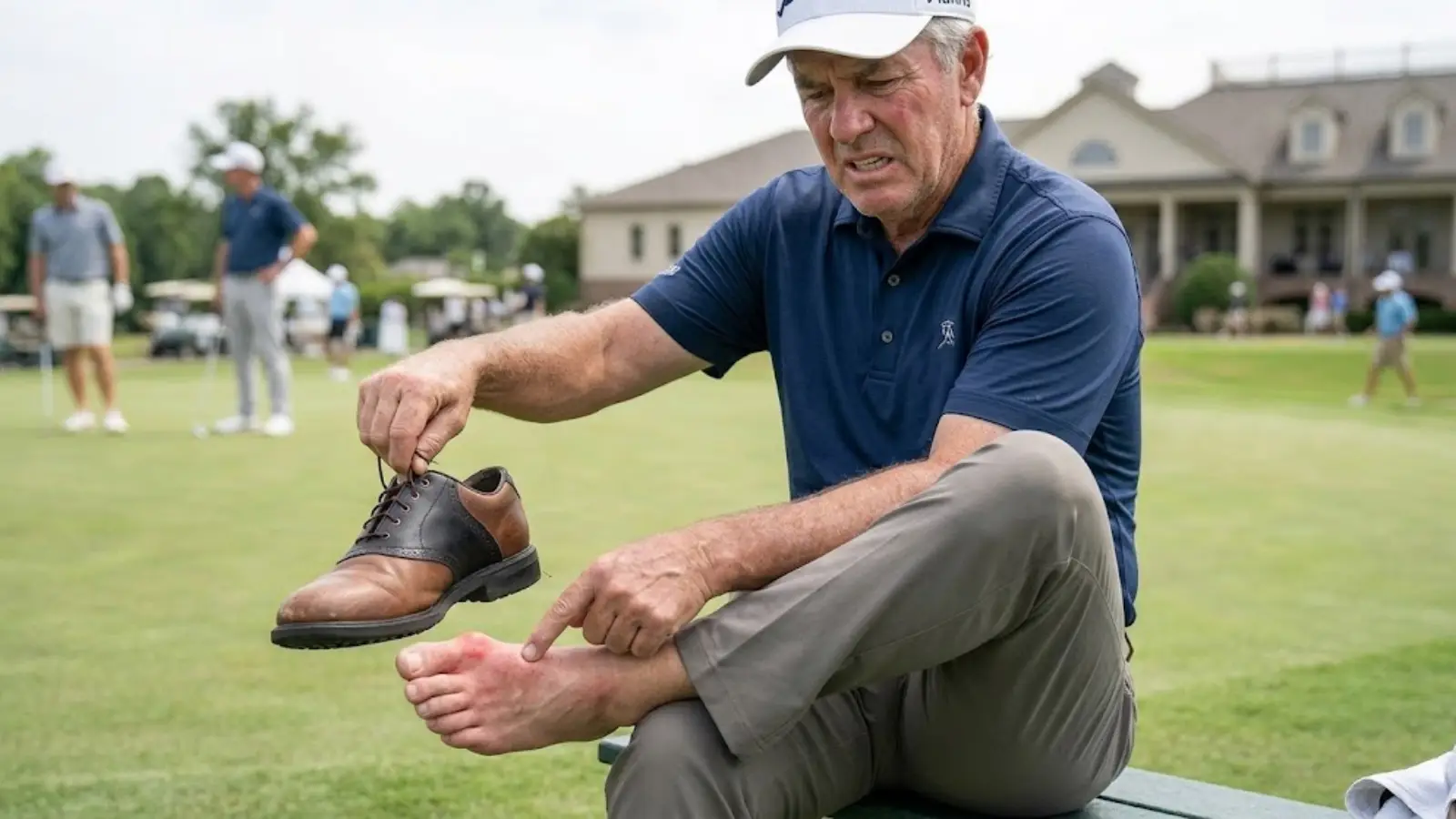
If you have any pre-existing foot conditions, you need to be extra careful about choosing the size of your shoes. Conditions like plantar fasciitis or even bunions can worsen with the wrong shoe size and type. Research shows that in specific foot conditions, even rheumatoid arthritis and gout, the right kind of shoes can improve mobility and reduce pain in your feet.
☆
Measuring Your Feet For The Right Golf Shoe Fitting
Now that we have discussed why the right size of the shoes matters, let’s discuss how to measure your feet correctly for the best golf shoe fitting.
☆
Tips To Measure Your Feet Correctly
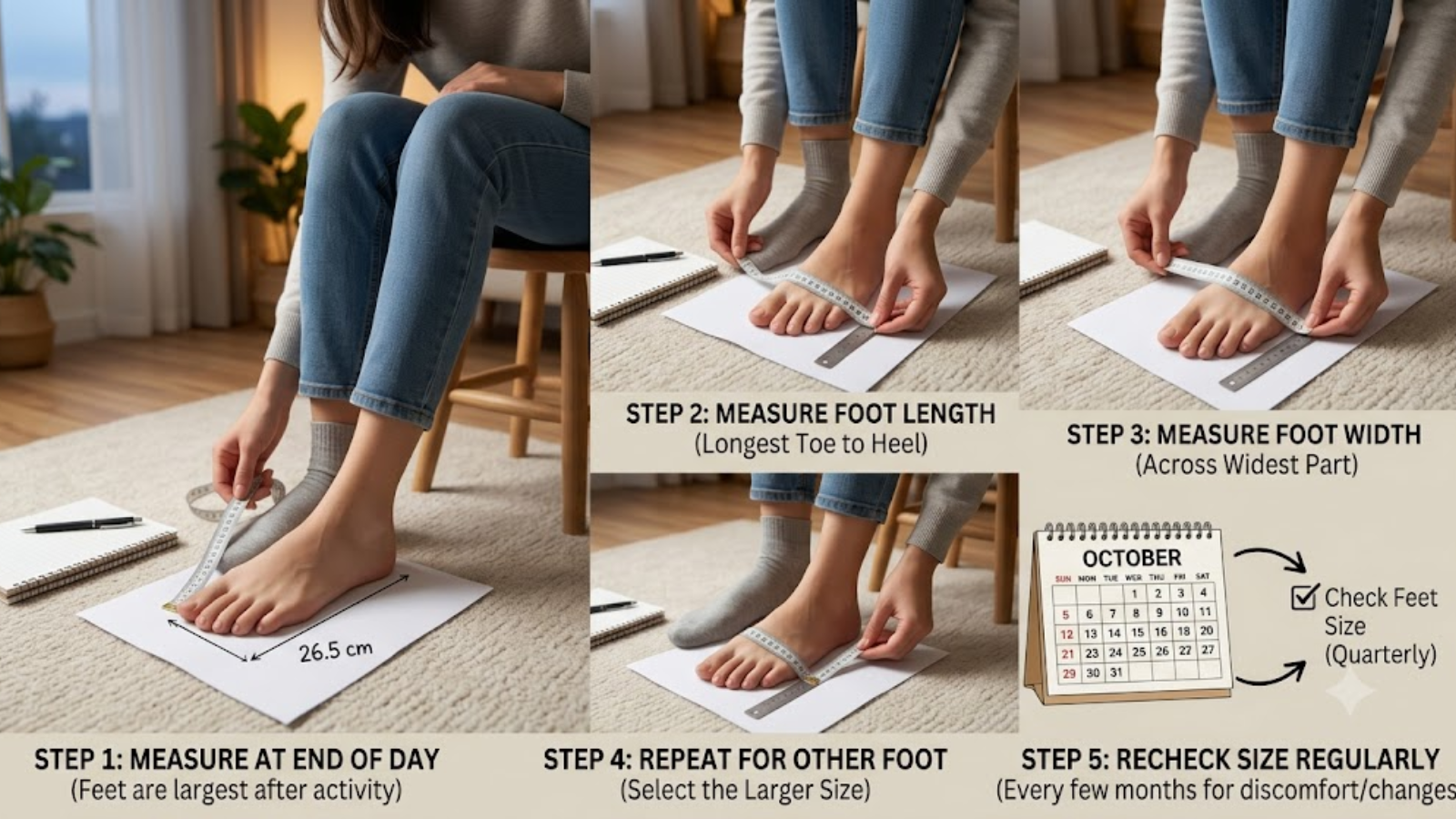
- It is recommended to measure your feet at the end of the day when they are swollen and at their largest. The entire day’s activity will bring out their true size.
- You can use a measuring tape or a ruler to measure from the longest toe to the heel of your foot to determine the length.
- Next, measure the widest part of your foot, which is the toes in most cases.
- Then, repeat the same process with the other foot because people often have one foot slightly bigger than the other. If you notice any difference, go with the bigger size.
- Your feet can change size over time, so it is recommended to check the size every few months. This will allow you to prevent any serious discomfort and get new shoes if you notice any change in your size. You should also check the size if you randomly notice any discomfort just to rule out the possibility of a size change.
☆
Measure Your Feet: A Step-by-Step Guide
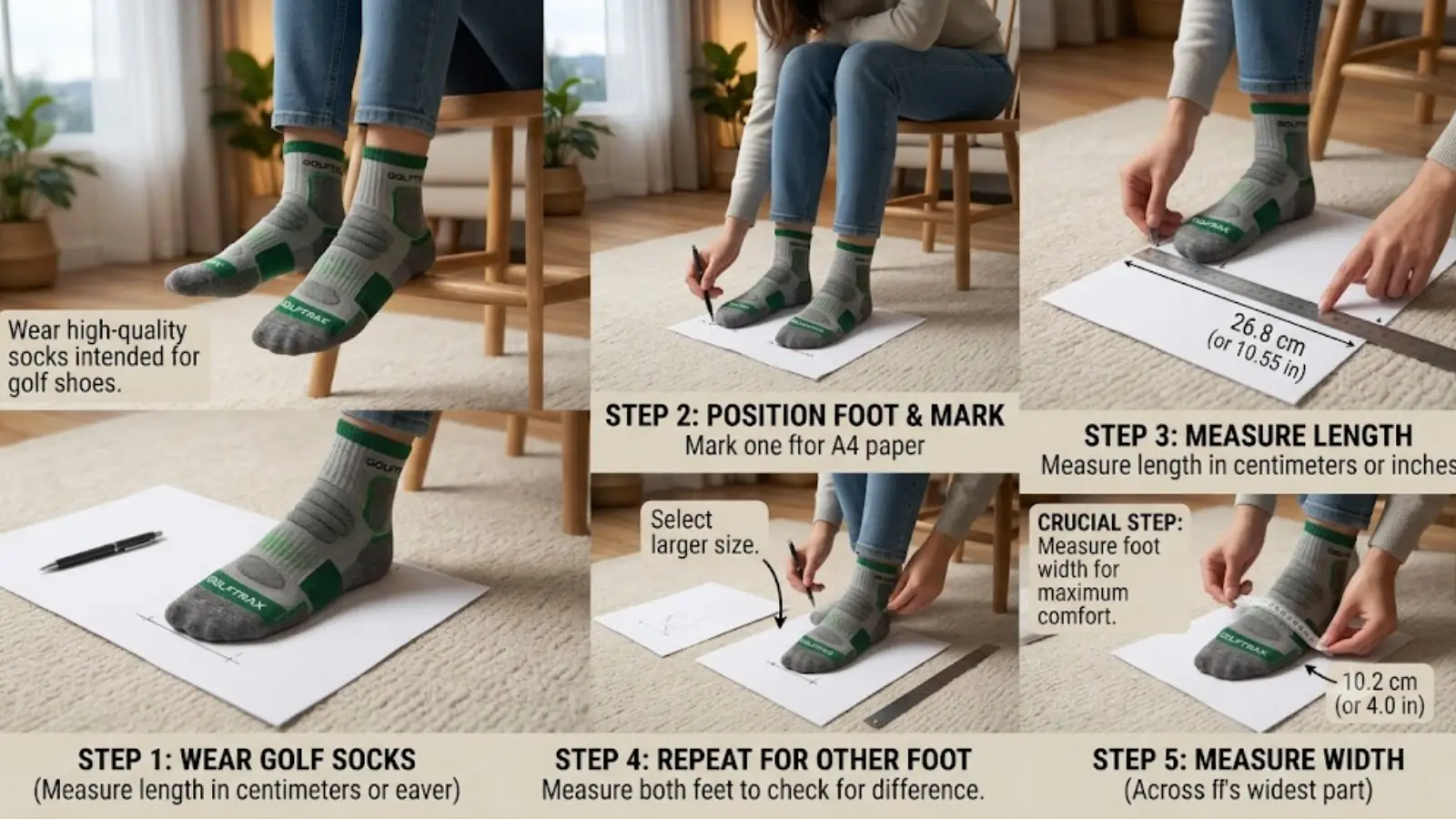
Here is a step-by-step guide to measure your feet easily at home.
- Before you start measuring your feet, wear the best quality golf socks that you intend to wear with your golf shoes.
- If you are shopping online, you can place your foot on white paper and mark the longest toe and the heel.
- Next, you can measure the length of your foot in a unit of your choice (inches or centimeters).
- Do the same process for the other foot and check if there is any difference in the size.
- If you notice even the slightest difference, go with the larger size to be on the safe side.
- Next, measure the widest part of your feet to make sure that you get the right width of the golf shoes for maximum comfort.
- Overlooking the width measurements is a common mistake, and it can result in extreme discomfort if you have a wider foot profile.
1
Tips To Check If A Golf Shoe Is The Right Fit For You
When you are trying out a golf shoe, you can do a wear test and check if the shoe really is the right fit for you. Here is what you can do for an easy test:
-
Thumb Test
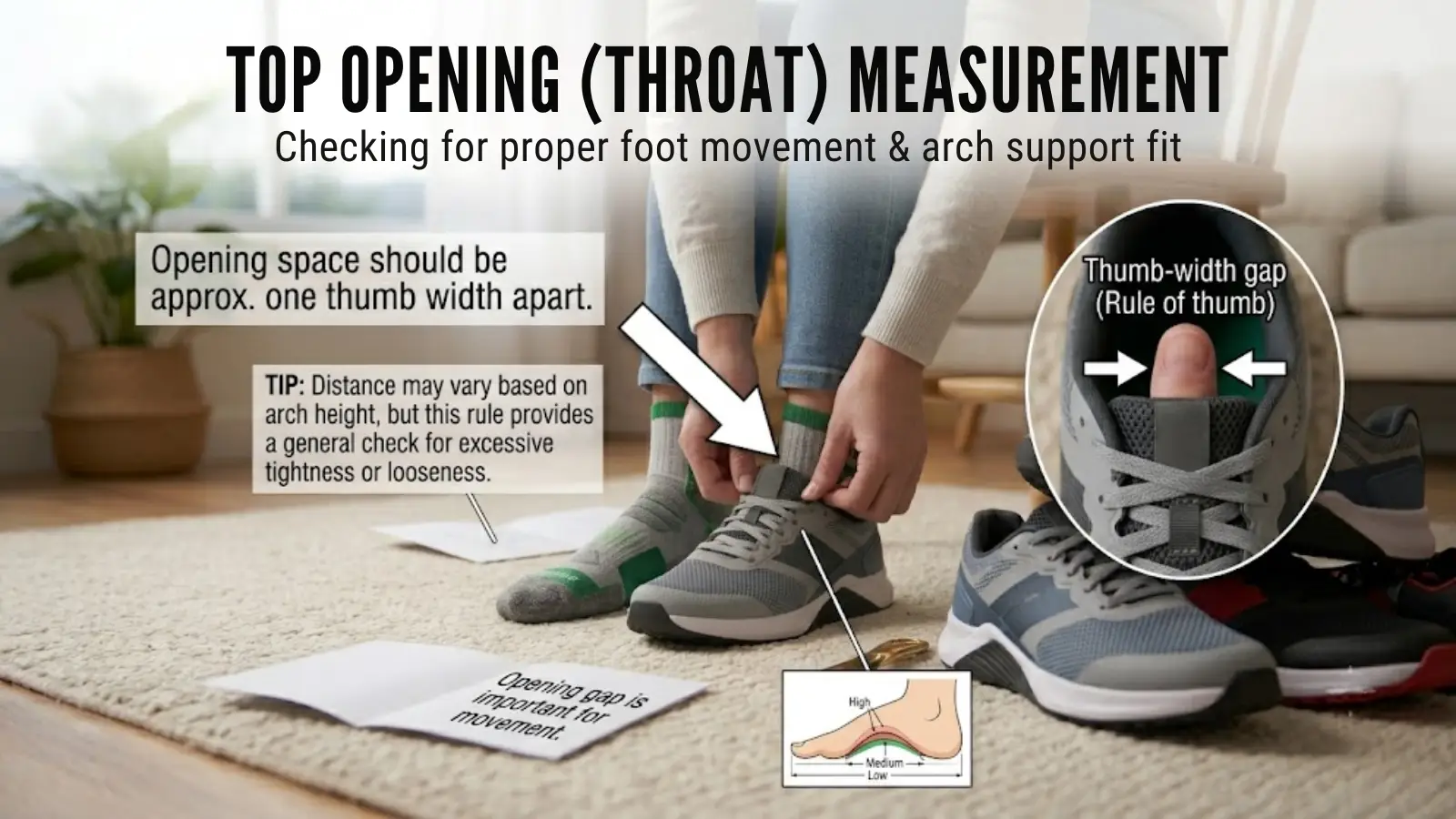
In most cases, the distance does depend on the arch height, but usually the opening at the top of your shoes should be a thumb’s width apart. This rule of thumb determines if the shoe has enough room for your foot to move without feeling too loose or too tight.
-
Flex Point
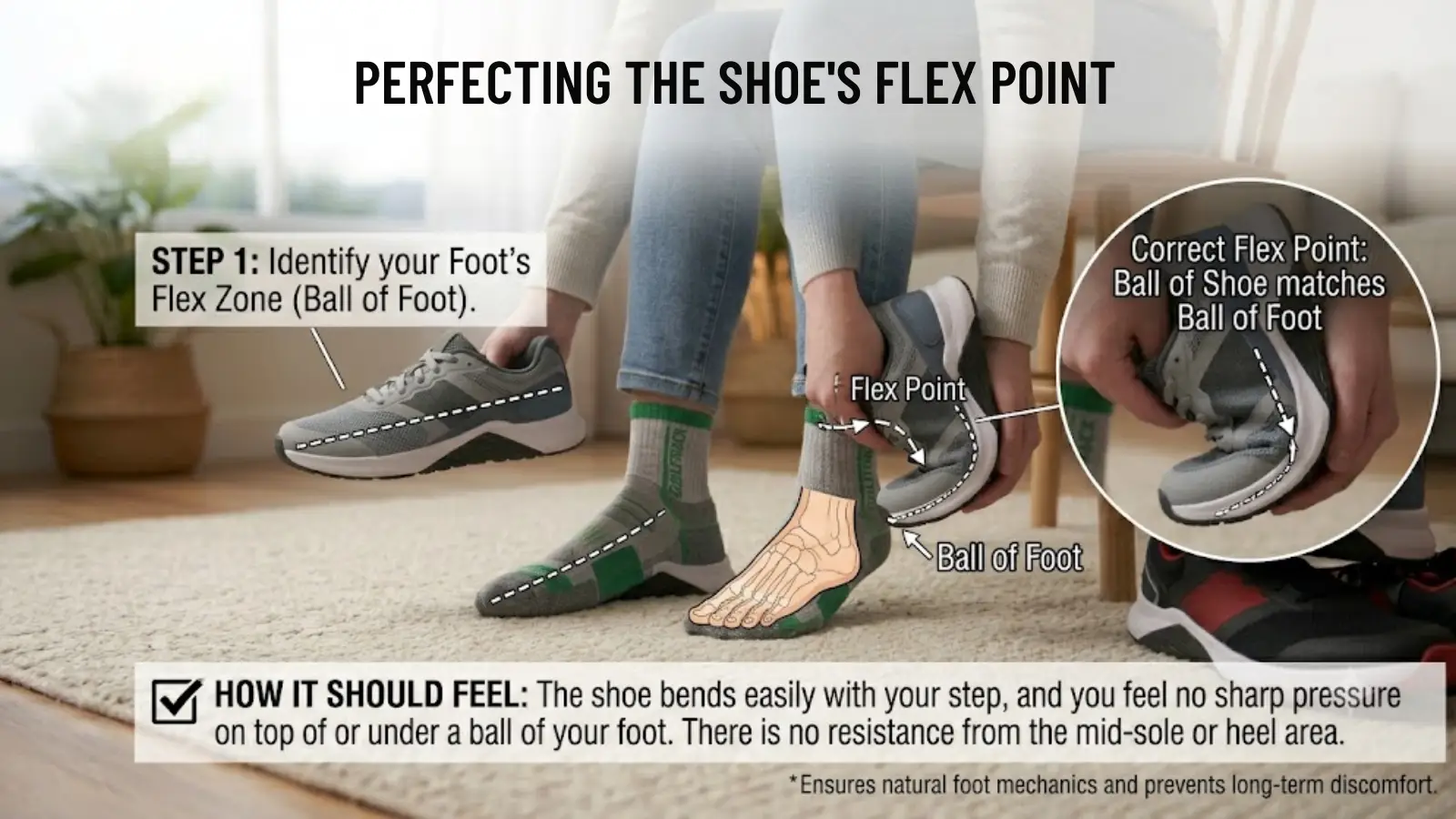
The shoe should bend at the same point as the area where your foot flexes. This usually happens across the ball of your foot to ensure proper movement and minimize pressure.
-
Toe Space
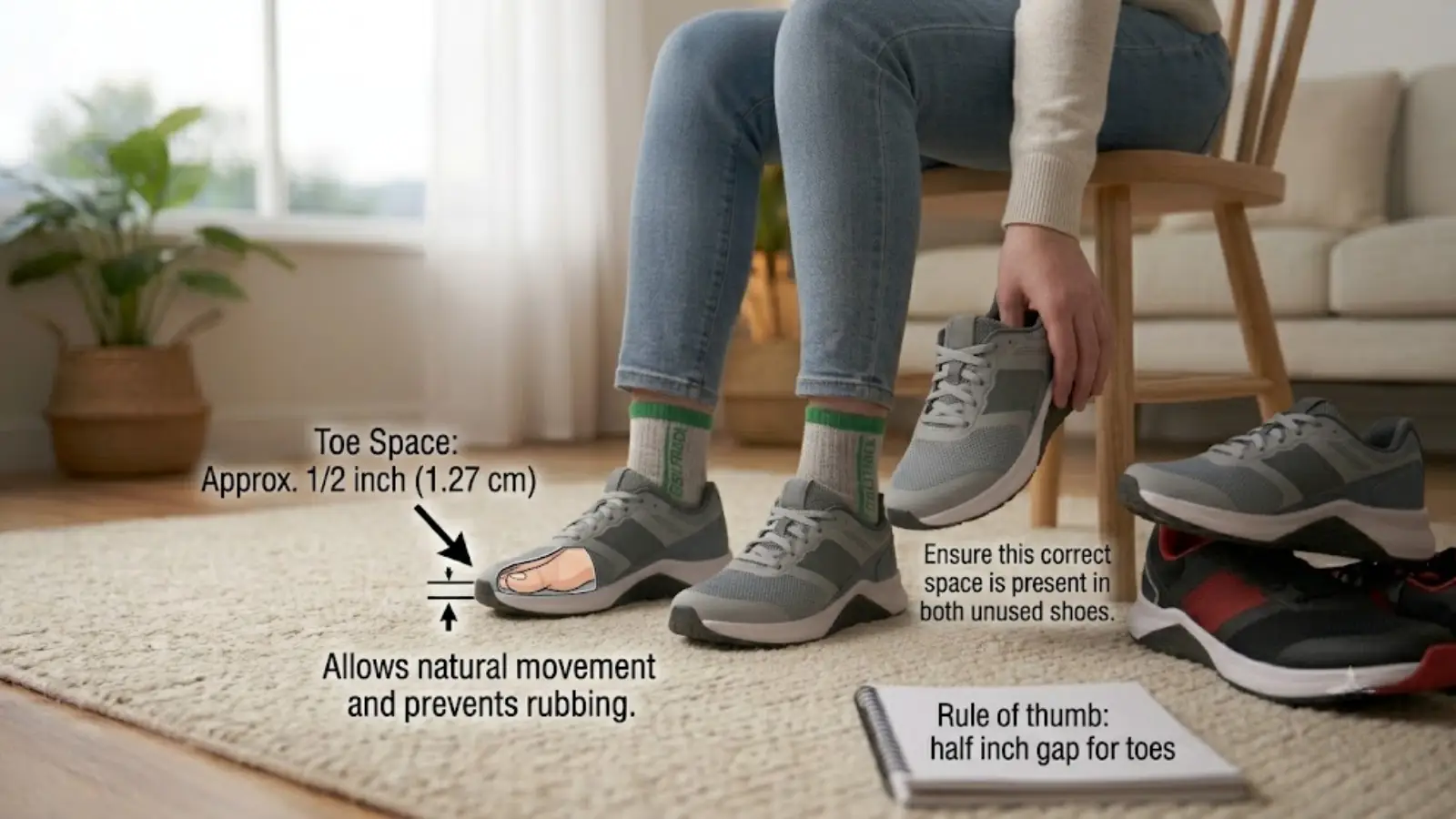
There should be about half an inch of space between your longest toe and the front of the shoe to prevent rubbing. It also offers some wiggle room for easy and natural movement of your toes.
-
Swing Test
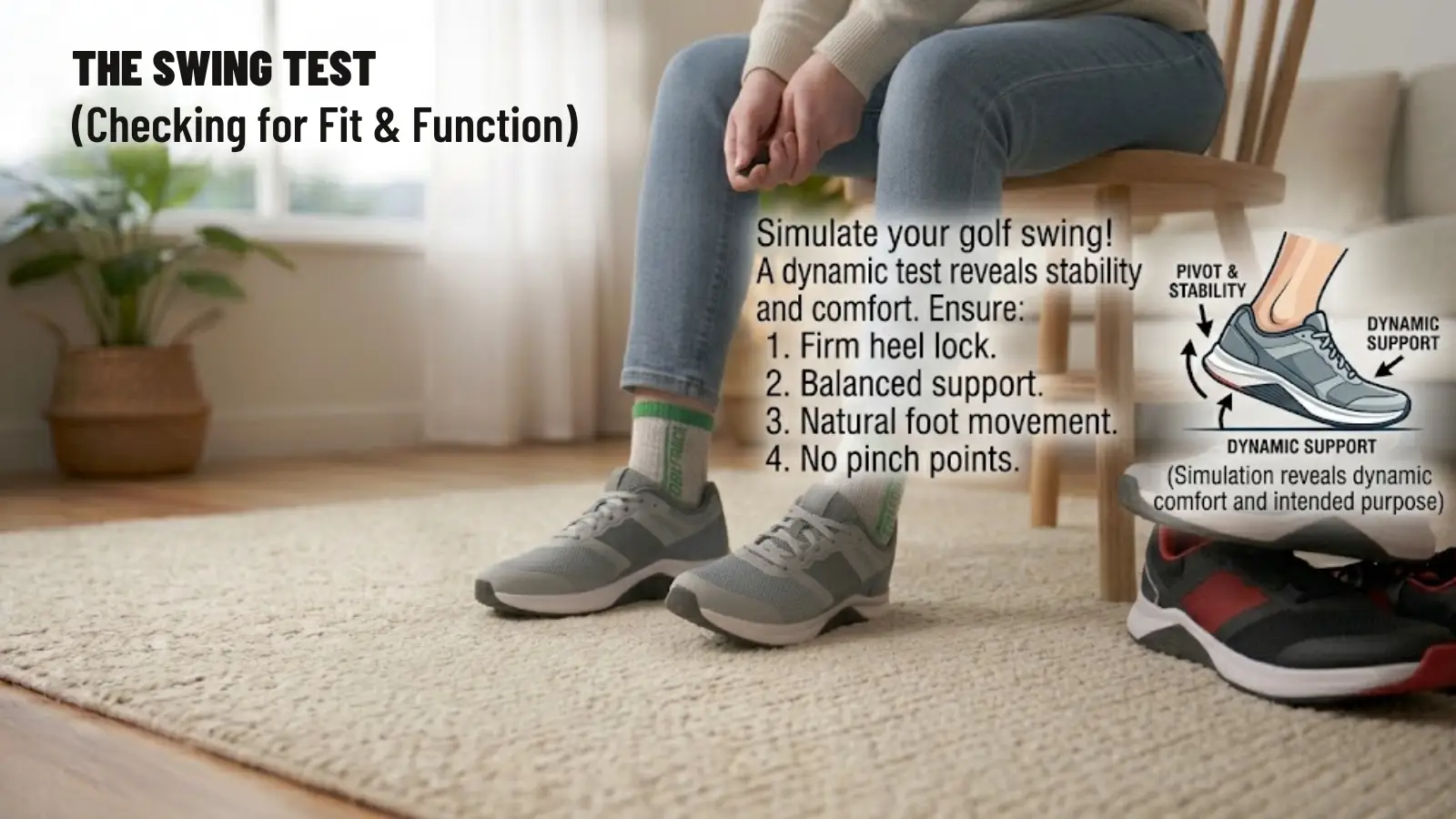
Always do a swing test when you are trying out your golf shoes. The simulation will let you know if the shoe is the correct fit for you and its intended purpose.
-
Test Drive
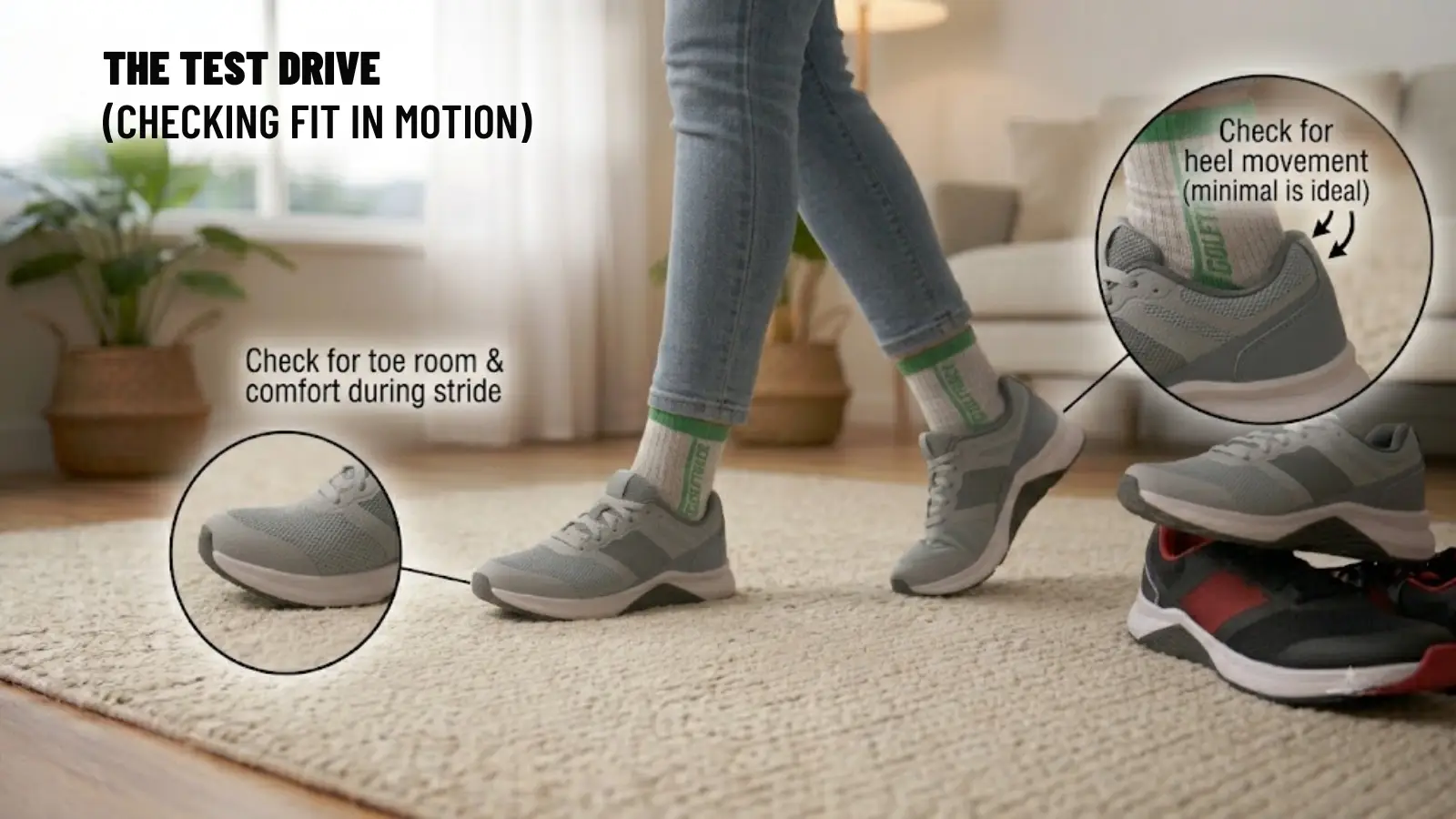
Go for a walk in the shoes to check if there is any excess movement in the shoes. If there is, then it’s not the right fit.
☆
What Should The Perfect Golf Shoe Fitting Feel Like?
When you put on a golf shoe, here is what it should feel like if the shoe is true to size.
-
Arch support
The shoe should offer proper support to your arch without adding any strain to pressure points.
-
Room for swelling
After walking or standing for some time, your feet tend to swell naturally. So, there should be some room in the shoes to accommodate the swelling.
-
Wiggle Room
Your toes shouldn’t feel trapped and should be able to wiggle to get the blood flow going.
-
No heel slipping
You shouldn’t feel your heel slipping when you walk.
-
Snug and painless
The overall fit of the shoe should be snug without feeling painful, especially in the midfoot and heel areas.
☆
How To Check The Width Of A Golf Shoe?
The easiest way to check if the width of your shoes is right is by measuring the opening with your thumb. The opening should be a thumb’s width apart, but other factors like arch height can affect the width of the shoe.
☆
How To Flag The Wrong Size Of A Golf Shoe?
Sometimes, you could be wearing the wrong shoe size but won’t realize it’s not the right fit for you until it’s too late. If you notice any of these issues, it means the shoe isn’t for you.
- There is excessive bunching of the material, indicating it’s too long or wide for your feet.
- The eyelets are too far apart, which means the shoe is too narrow for you.
- The eyelets are too close together, indicating a too-wide fit.
- The material stretches around the shoe, which means it’s too narrow.
- The heel and insole wear away prematurely, indicating the shoe is too big.
- You can slip off the shoes without undoing the laces, meaning the size is too big for your feet.
☆
What To Do If Your Feet Are Two Different Sizes?
Even though the majority of people have the same size for both their feet, there are always some people who don’t. So, it’s best to measure both feet when you are getting your golf shoe fitting. If you have different sizes of both feet, you can get the larger size. However, brands like FootJoy offer golf shoes where you can buy different sizes for the same pair.
☆
How To Find The Right Golf Shoe Size With Common Foot Conditions?
If you have any pre-existing foot conditions or chronic pain and discomfort, you should always consult with your physician or podiatrist for recommendations. Golfers usually assume that the discomfort in their lower back or feet is caused by their swing. However, getting the right shoe with the help of a podiatrist’s recommendation can often help in relieving that pain.
-
Plantar Fasciitis
If you are someone experiencing plantar fasciitis, it is recommended to consult with your podiatrist first. But, in our experience in golf shoe fittings, here are a few things you need to look for in a shoe:
- Strong arch support
- Firm heel cushioning and support
- Minimal twist or torque in the midsole
- Flex only at the spot where your foot’s ball is located
- Secure lacing such as BOA (ideal for this condition)
-
Pronation
Pronation is also known as the roll of your feet when you walk, and too much of this roll can cause discomfort and pain when you walk. It can also lead to other issues like lower back pain. People who have low arches or flat feet tend to suffer from over-pronation. If your doctor has diagnosed your feet with over-pronation, you should also ask for shoe recommendations. We would recommend getting shoes that have good midsole support to ensure maximum support for the arches. This will distribute the pressure evenly on your feet and relieve strain on the muscles and your lower back.
☆
Do You Need Orthotics?
If you wear orthotics with your regular shoes, you can try using them with your golf shoes as well. However, most golf shoes offer optimal arch support, which keeps your feet comfortable for day-long activities. It is best if you try your shoes on with and without orthotics to determine which fitting feels more natural and comfortable. You can also go for a test walk to see how comfortable you feel with and without them.
☆
Men’s Shoe Size Conversion Chart
| US | UK | EUR | JP | KR | Centimeters |
|---|---|---|---|---|---|
| 6 | 5 | 38 | 24 | 240 | 24.0 |
| 6.5 | 5.5 | 38.5 | 24.5 | 245 | 24.5 |
| 7 | 6 | 39 | 25 | 250 | 25.0 |
| 7.5 | 6.5 | 40 | 25.5 | 255 | 25.5 |
| 8 | 7 | 40.5 | 26 | 260 | 26.0 |
| 8.5 | 7.5 | 41 | 26.5 | 265 | 26.5 |
| 9 | 8 | 42 | 27 | 270 | 27.0 |
| 9.5 | 8.5 | 42.5 | 27.5 | 275 | 27.5 |
| 10 | 9 | 43 | 28 | 280 | 28.0 |
| 10.5 | 9.5 | 44 | 28.5 | 285 | 28.5 |
| 11 | 10 | 44.5 | 29 | 290 | 29.0 |
| 11.5 | 10.5 | 45 | 29.5 | 295 | 29.5 |
| 12 | 11 | 46 | 30 | 300 | 30.0 |
| 12.5 | 11.5 | 46.5 | 30.5 | 305 | 30.5 |
| 13 | 12 | 47 | 31 | 310 | 31.0 |
| 13.5 | 12.5 | 48 | 31.5 | 315 | 31.5 |
| 14 | 13 | 48.5 | 32 | 320 | 32.0 |
| 14.5 | 13.5 | 49 | 32.5 | 325 | 32.5 |
| 15 | 14 | 50 | 33 | 330 | 33.0 |
| 15.5 | 14.5 | 50.5 | 33.5 | 335 | 33.5 |
| 16 | 15 | 51 | 34 | 340 | 34.0 |
☆
Men’s Width Sizing Chart
| Common Sizing | Alpha Sizing |
|---|---|
| X Narrow (XN) | 3A, 2A |
| Narrow (N) | A, B, C* |
| Medium (M) | C*, D, E |
| Wide (W) | E, 2E |
| X Wide (XW) | 3E |
☆
Women’s Shoe Size Conversion Chart
| US | UK | EUR | JP | KR | Centimeters |
|---|---|---|---|---|---|
| 5 | 3 | 35 | 22 | 220 | 22.0 |
| 5.5 | 3.5 | 36 | 22.5 | 225 | 22.5 |
| 6 | 4 | 36.5 | 23 | 230 | 23.0 |
| 6.5 | 4.5 | 37 | 23.5 | 235 | 23.5 |
| 7 | 5 | 38 | 24 | 240 | 24.0 |
| 7.5 | 5.5 | 38.5 | 24.5 | 245 | 24.5 |
| 8 | 6 | 39 | 25 | 250 | 25.0 |
| 8.5 | 6.5 | 40 | 25.5 | 255 | 25.5 |
| 9 | 7 | 40.5 | 26 | 260 | 26.0 |
| 9.5 | 7.5 | 41 | 26.5 | 265 | 26.5 |
| 10 | 8 | 42 | 27 | 270 | 27.0 |
| 10.5 | 8.5 | 42.5 | 27.5 | 275 | 27.5 |
| 11 | 9 | 43 | 28 | 280 | 28.0 |
| 11.5 | 9.5 | 44 | 28.5 | 285 | 28.5 |
| 12 | 10 | 44.5 | 29 | 290 | 29.0 |
☆
Women’s Width Sizing Chart
| Common Sizing | Alpha Sizing |
|---|---|
| Narrow (N) | AA |
| Medium (M) | B |
| Wide (W) | D |
☆
Boys’ Shoe Size Conversion Chart
| US | UK | EUR | JP | KR | Centimeters |
|---|---|---|---|---|---|
| 1 | 19 | 190 | 19.0 | ||
| 2 | 1 | 32.5 | 20 | 200 | 20.0 |
| 3 | 2 | 34 | 21 | 210 | 21.0 |
| 4 | 3 | 35 | 22 | 220 | 22.0 |
| 4.5 | 3.5 | 36 | 22.5 | 225 | 22.5 |
| 5 | 4 | 36.5 | 23 | 230 | 23.0 |
| 5.5 | 4.5 | 37.5 | 23.5 | 235 | 23.5 |
| 6 | 5 | 38 | 24 | 240 | 24.0 |
| 6.5 | 5.5 | 38.5 | 24.5 | 245 | 24.5 |
| 7 | 6 | 39 | 25 | 250 | 25.0 |
☆
Junior Girls’ Shoe Size Conversion Chart
| US | UK | EUR | JP | KR | Centimeters |
|---|---|---|---|---|---|
| 1 | 18 | 180 | 18.0 | ||
| 2 | 19 | 190 | 19.0 | ||
| 3 | 1 | 32.5 | 20 | 200 | 20.0 |
| 4 | 2 | 34 | 21 | 210 | 21.0 |
| 5 | 3 | 35 | 22 | 220 | 22.0 |
☆
Conclusion
Measuring your feet has become much less of a hassle thanks to modern technology. You can easily measure your feet at home and get your shoes online without any inconvenience. The effort you put into making sure you get the perfect size of your golf shoes will go a long way. Your body will thank you for it, and even after walking off 18 holes, you wouldn’t really give much thought to your feet because they’ll be right at home in those shoes.